


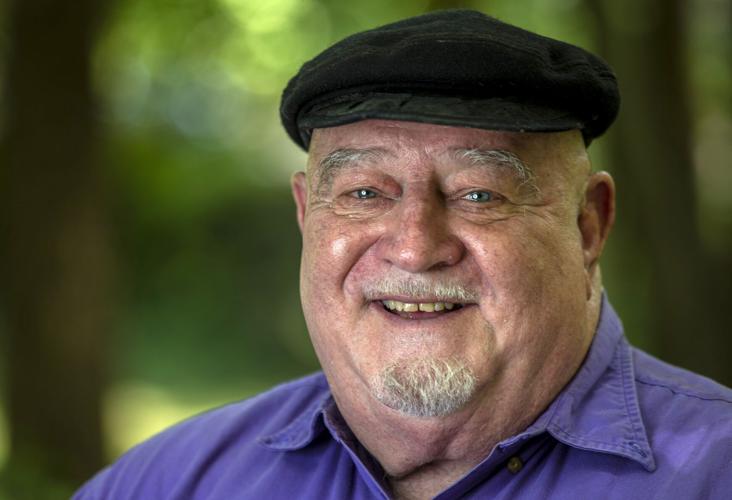
Richard Rhyne has always recognized worth in the overlooked, be it architectural elements of old buildings or people who have been discarded by society.
He generated income from selling architectural antiques at Rhyne’s Corner Cupboard, a downtown shop he ran with his wife, and he established his place in the community by being an advocate of social justice for the marginalized.
“If you’re able to affect in some way the life of one person, then the investment in that person was worth it,” Rhyne said.
Rhyne began his professional career in law but went into the Lutheran ministry. He felt everyone is equal and wanted to use ministry-driven social justice to bring about change.
“My folks always had a clear message that the family of God was THE family of God,” Rhyne said.
People are also reading…
While an outreach assistant to the bishop for the Lutheran Synod of North Carolina, Rhyne visited an inner-city church in Philadelphia and was inspired to establish a racially integrated church in Greensboro. He helped found Prince of Peace Lutheran Church in the African American neighborhood of Warnersville.
The church’s message of inclusivity angered some, including members of the Ku Klux Klan. The first pastor being considered for the church received death threats and withdrew. Rhyne was asked to take his place and accepted. He also received death threats.
One day a highway patrol car pulled up in front of the church, Rhyne said. Out stepped Rufus Edmisten, North Carolina’s attorney general. He assured Rhyne there would be no more threats from the KKK, and the two have remained friends ever since.
As the church grew, Rhyne established community outreach programs for youth and those going through divorce.
“I don’t see myself as being significant, I see myself as a community organizer and facilitator,” Rhyne said.
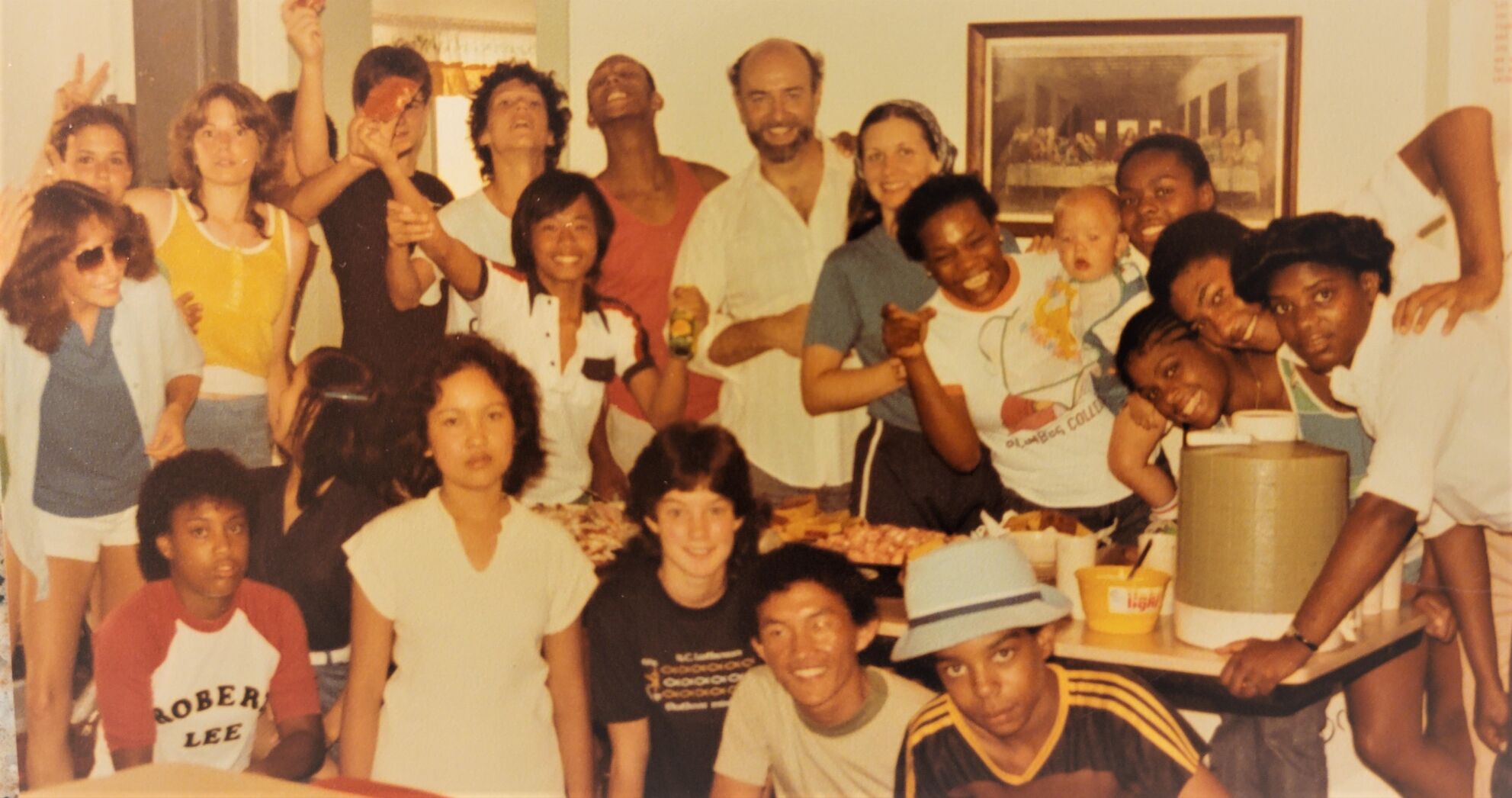
For seven years, he was with the Lutheran Council in the United States and served part of that time as the National Director of Social Justice, which facilitated social ministry organizations around the country and coordinated refugee resettlement. As director of a refugee resettlement program for the church’s North Carolina Synod, Rhyne helped to find homes for 3,000 refugees, including Vietnamese Montagnards who settled in Greensboro.
Rhyne was an early proponent for school desegregation and served on the Greensboro commission to implement a plan.
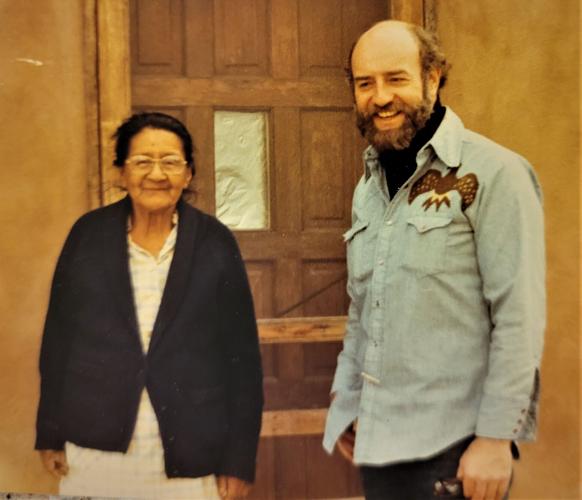
His efforts to help marginalized people included Native Americans. Rhyne became friends with Lonnie Revels, a Greensboro resident and member of North Carolina’s Lumbee tribe. He helped Revels get a grant to create the Guilford Native American Association. Rhyne also served on the committee for the N.C. Commission on Indian Affairs.
Rhyne was also an advocate of the homeless. He participated on a committee to establish the Greensboro Urban Ministry.
“I still eat lunch there twice a week,” Rhyne said.
Rhyne said he doesn’t want to think about retirement. If refugees and immigrants continue to need his help, Rhyne said, he will be there for them.
“We have to stop, look and listen to determine how we can use our resources to help someone,” Rhyne said.
“If you’re able to affect in some way the life of one person, then the investment in that person was worth it.”
Richard Rhyne


